

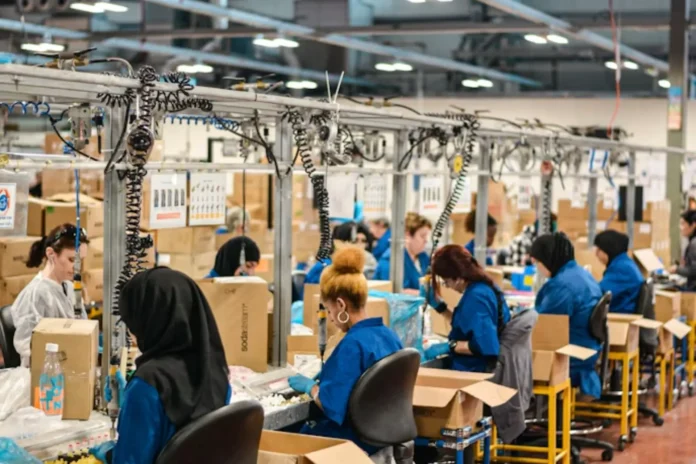
The Middle East, North Africa, Afghanistan, and Pakistan (MENAAP) region is facing a big jobs challenge. The region’s working-age population is projected to grow by 220 million people over the next quarter-century, a 40% increase. This is the second largest projected increase across all regions, per the latest MENAAP regional Economic Update. Jobs provide more than just a source of income; they provide dignity, purpose, and hope for the future. Giving people the means to support themselves and their families can help lift entire communities out of poverty.
This demographic shift of young people coming into the labor market also presents a tremendous opportunity. The public sector, alone, cannot furnish the number of jobs needed to keep pace. So, the pressing question is: Can the private sector create the number of jobs needed to allow countries to tap into the amazing potential that these young people bring? Can it boost women’s participation in the labor-force – the lowest in the world?
The goal is more private sector jobs, faster. The World Bank Group is supporting countries to create jobs through a three-pillar strategy: build the critical infrastructure—human and physical; create business enabling environments via regulatory clarity; and back investors with the tools that reduce risk to crowd in capital.
Where do these jobs come from? There are five sectors with potential to create jobs at scale: infrastructure including energy, agribusiness, healthcare, tourism, and value-added manufacturing. These sectors create jobs locally where people live.
This holistic approach holds great potential to accelerate job creation.
Source: